

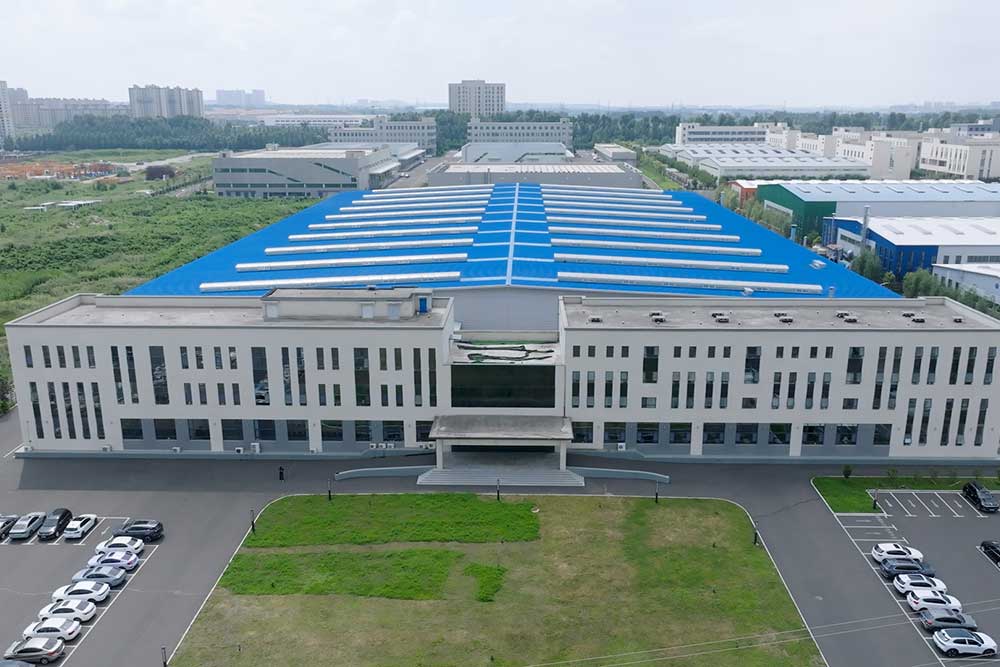
Automotive lightweighting is no longer just about shaving grams off existing plastic parts. At Changchun Chn-Top, it represents a fundamental paradigm shift: converting heavy structural metal castings directly into injection-molded plastics using physical microcellular foaming.
This isn’t just weight reduction—it’s a complete revolution in how vehicle components are manufactured. And bringing this breakthrough to the assembly line required a machine partner willing to build the technology from the ground up.
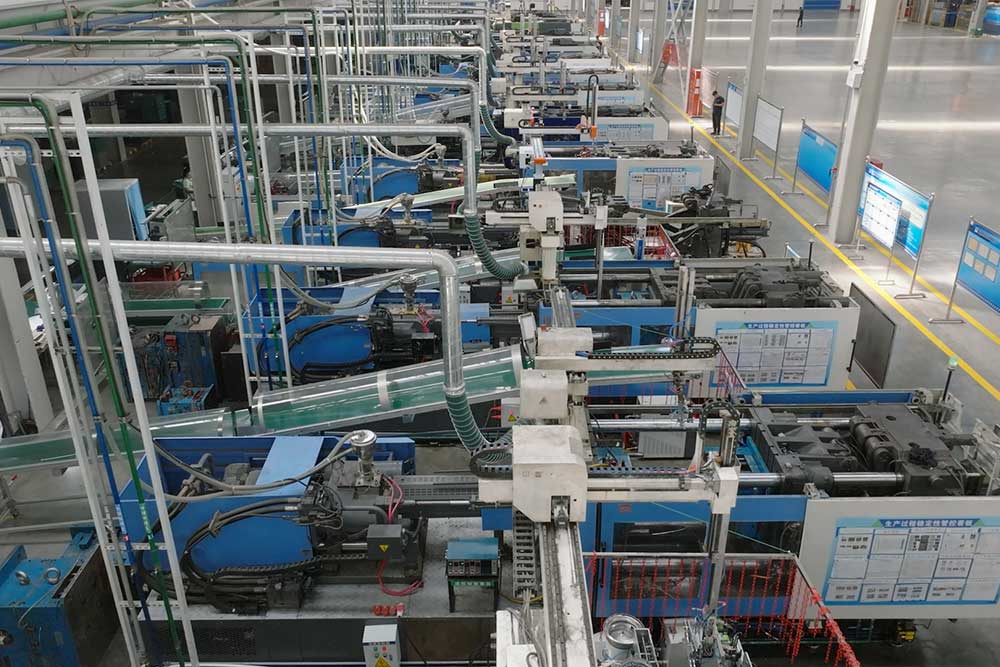
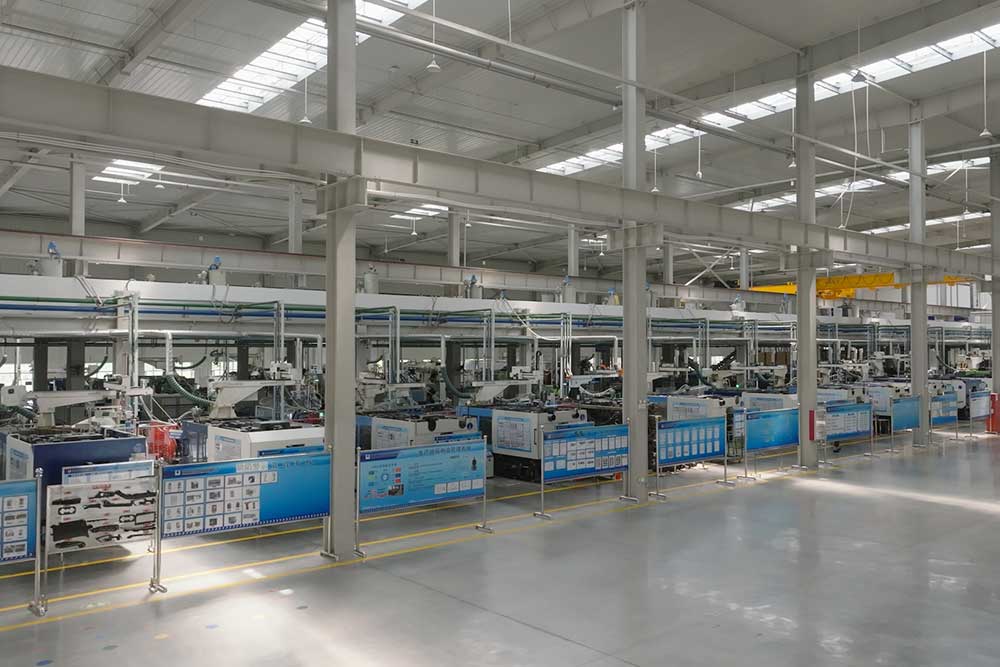
Chn-Top’s partnership with Haitian began long before building its Changchun facility in 2009. While Chn-Top held patents for physical foaming, commercializing the technology demanded non-standard machine capabilities—from specialized screw geometries and precise injection speeds to synchronized supercritical fluid injection.
With no off-the-shelf microcellular molding machines on the market, Chn-Top approached Haitian with a list of custom requirements: modified screws, re-tuned injection units, and control systems synchronized with supercritical fluid injection cycles. Haitian rose to the challenge. Through iterative trials, Haitian customized its equipment to master the new process. In June 2009, six tailor-made Haitian machines arrived at Chn-Top, turning patented concepts into a scalable industrial reality.
The mechanics of physical microcellular foaming is straightforward: micro-bubbles expand within the molten polymer, expanding the structure without increasing weight. This process drastically reduces component weight, shortens cycle times, and minimizes part.
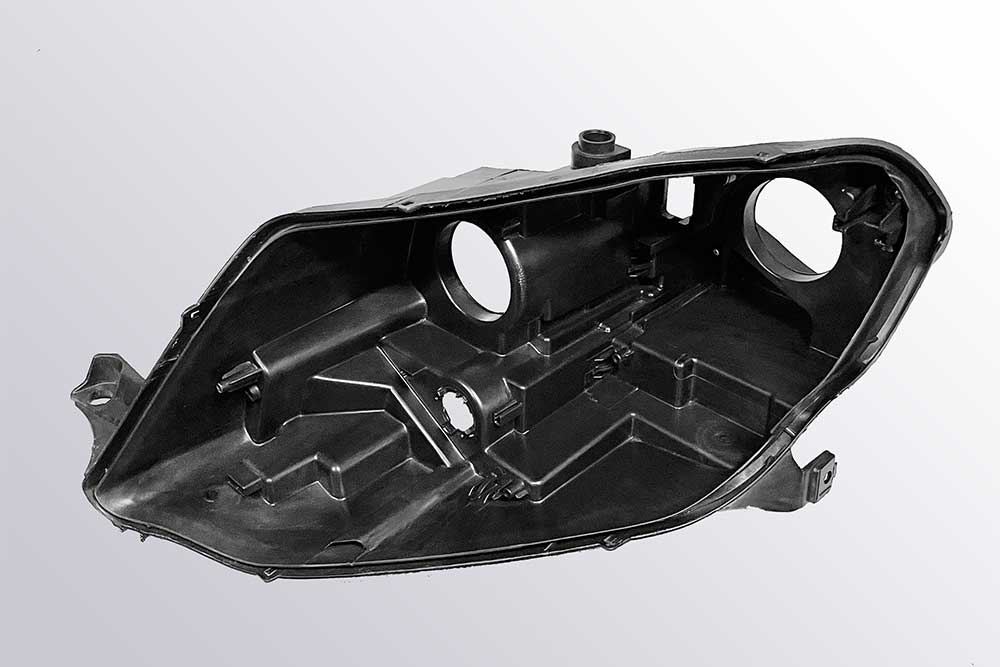
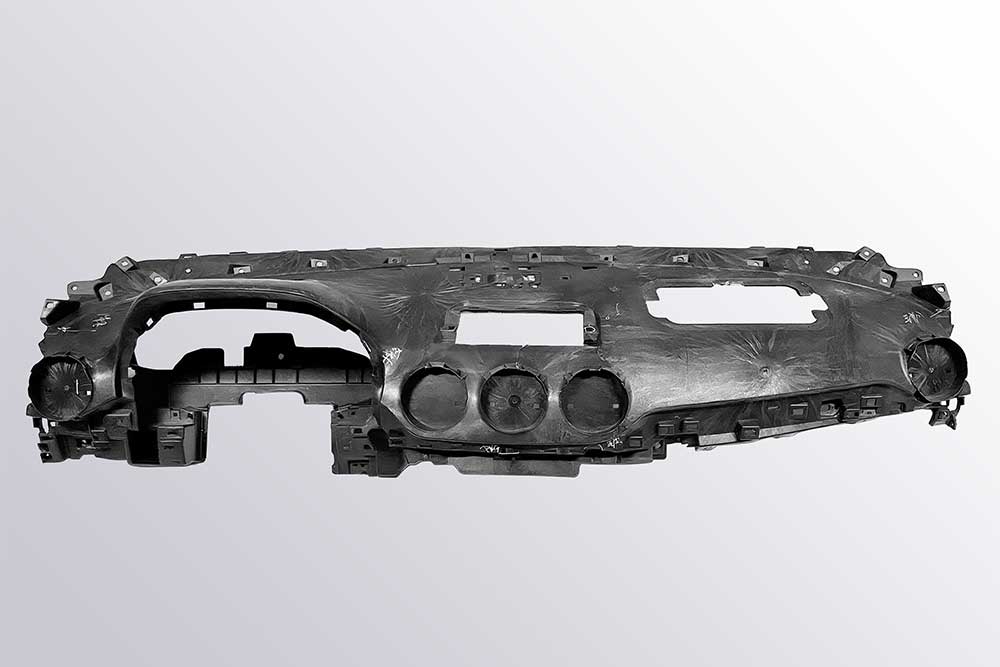
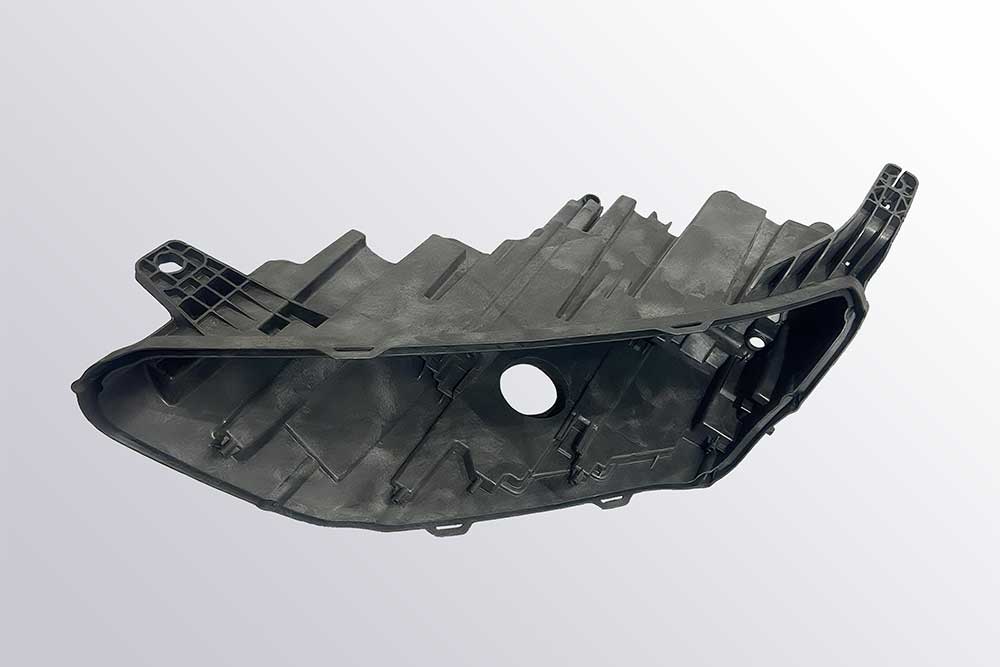
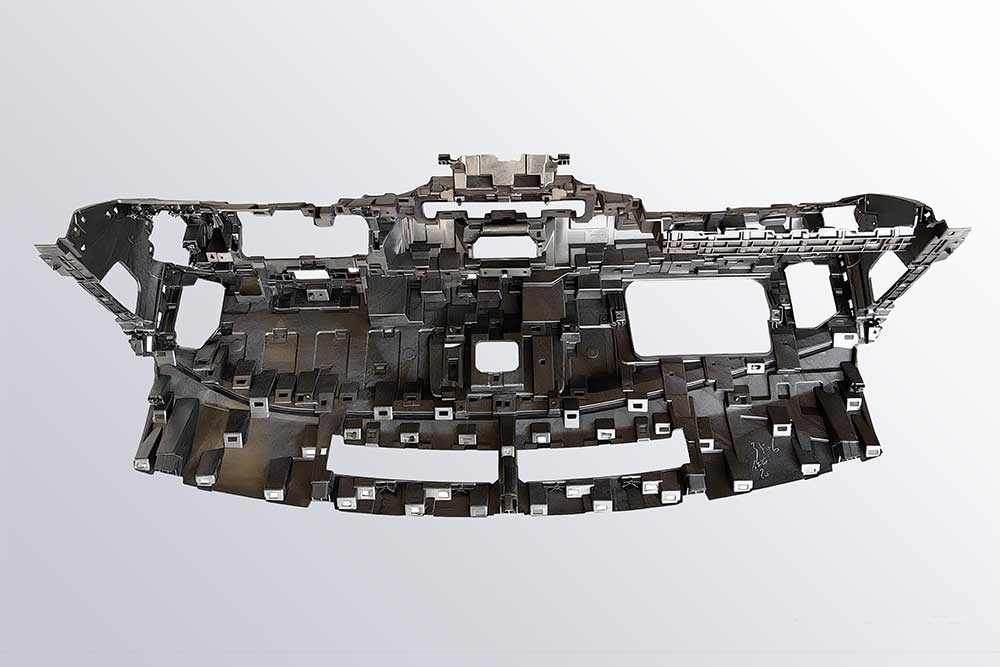
In the age of e-mobility, weight reduction is top priority. Every gram directly impacts compliance and driving range. “Physical foaming drastically improves the viability of replacing steel with plastic, accelerating the transition of metal components toward microcellular injection molding,” noted Chn-Top.
While reducing interior trim weight is beneficial, optimizing battery packs is revolutionary.
Battery pack components typically feature thick walls and heavy mass, requiring high structural rigidity and crash performance. Physical foaming unlocked a game-changing alternative: replacing conventional cast metal parts with microcellular-foamed injection-molded plastics. This cuts individual part weight by 45% to nearly 50%, lowers production costs, and maintains structural integrity.
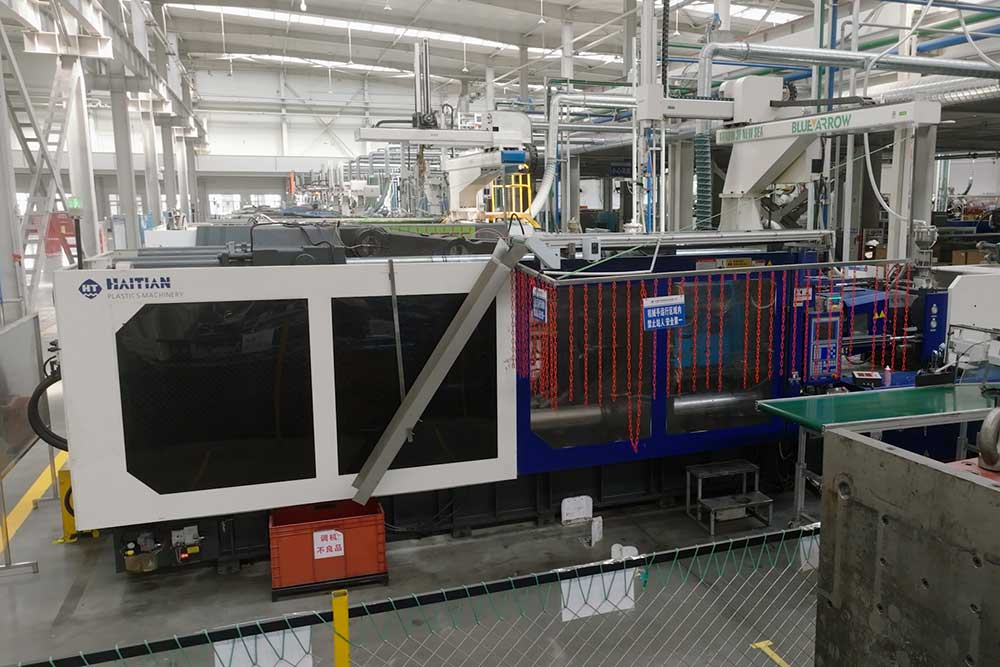
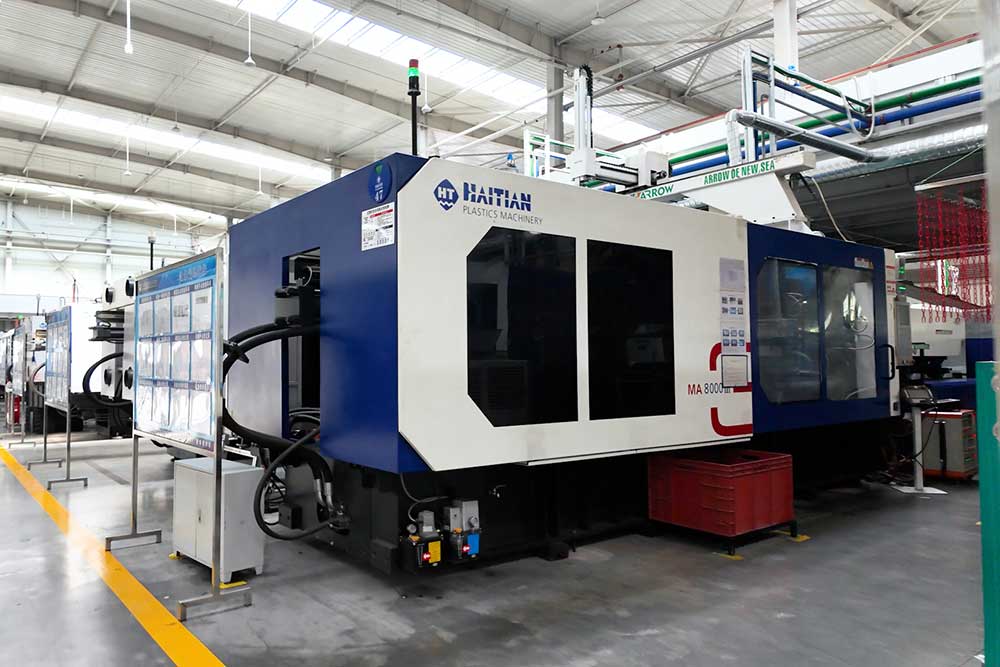
Haitian worked closely with Chn-Top to reconfigure machinery for every new product category. Nowadays, market leaders in battery manufacturing are purchasing these components in volume, with others quickly following suit. The technology has even crossed into home appliances, with industry giants like LG and Haier adopting machines co-developed by Haitian and Chn-Top.
Chn-Top has evolved from a component supplier into a complete lightweight solution provider, scaling market adoption side-by-side with Haitian.
Today, 59 Haitian injection molding machines operate round-the-clock at Chn-Top’s Changchun facility. Over nearly two decades, Haitian has demonstrated that true partnership means growing alongside the customer’s technology roadmap.
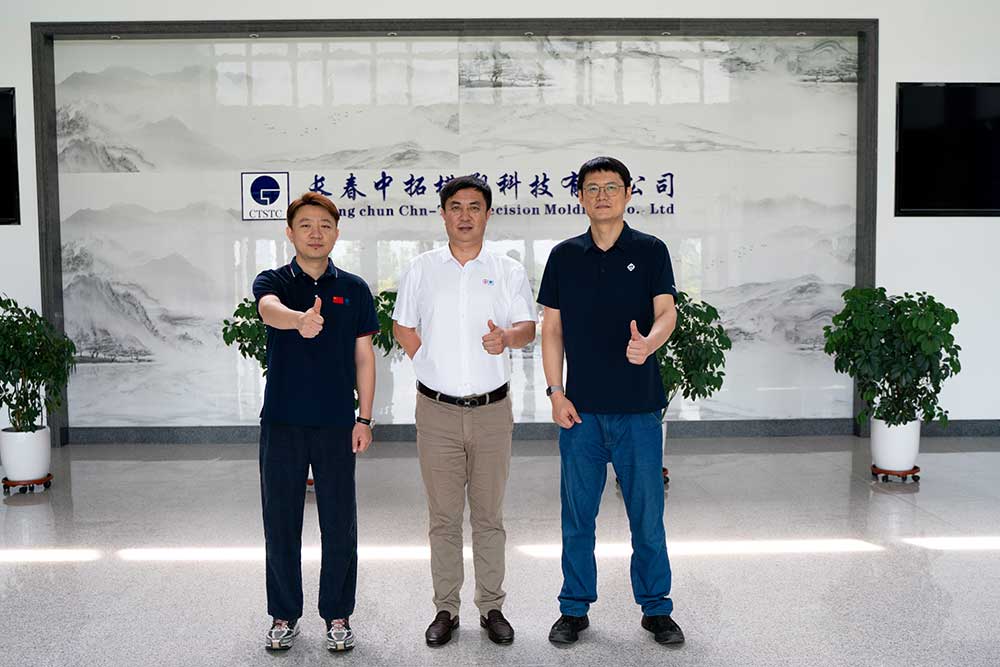
The ultimate reach of a technology takes time to prove, and the true value of machinery is forged on the shop floor. For Chn-Top and Haitian, the journey continues.