

How Jia Wei built a new manufacturing base in Northern Vietnam for a changing global housewares market.
PULSE Magazine | Extra Reader
Beyond the Print Story
The printed story focuses on Jia Wei Vietnam as a large-scale production system. In the interview, factory manager Mr. Huang added several details that reveal more about the decisions behind the project – and about what still matters once 200 machines are running.
Experience before investment
Jia Wei did not choose its equipment partners on specifications alone. The company evaluated several machinery suppliers against established criteria for performance, stability and compatibility. Haitian already had one important advantage: Jia Wei’s Chinese factories had been operating Haitian machines for almost a decade. According to Mr. Huang, this long-term field experience gave the company real data on machine performance and failure rates before committing to the Vietnam project.
Recycling expertise since 2008
The move toward recycled materials is not new for Jia Wei. Mr. Huang says the company was already working with Japanese partners on recycling projects in 2008, processing waste PET bottles and other recyclables for modification and reuse. By the time the Vietnam plant was planned, these processes were already mature enough to influence equipment selection and machine configuration.
Designing out future problems
One of the more revealing details concerns the plant infrastructure itself. Jia Wei wanted to avoid the typical pattern of adding utilities and peripherals later. Power supply, water, cooling systems and piping were therefore considered during the planning phase. The company also specified stainless-steel auxiliary systems to reduce future retrofits and maintenance requirements.
The hidden challenge: stable orders
Technology is only part of the equation. Mr. Huang identified workforce integration and technology integration as major challenges, but he also pointed to something less obvious: order stability. A factory of this size only works efficiently when long-term orders can be allocated consistently across machines, people and production schedules. Without that stability, even a technically well-planned plant becomes difficult to optimize.
What comes next
For the next development phase, Jia Wei is looking beyond capacity. The priorities named by Mr. Huang are lower energy consumption and higher levels of automation. Both directly affect operating costs: energy efficiency reduces expenditure, while automation can lower labor dependency and improve productivity.
A Factory built as a System
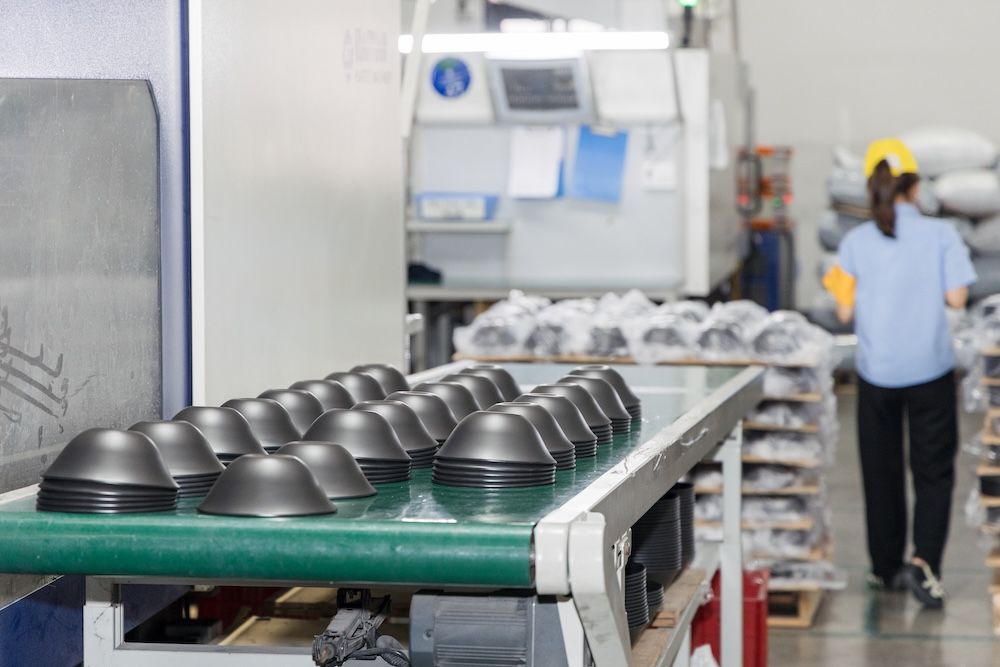
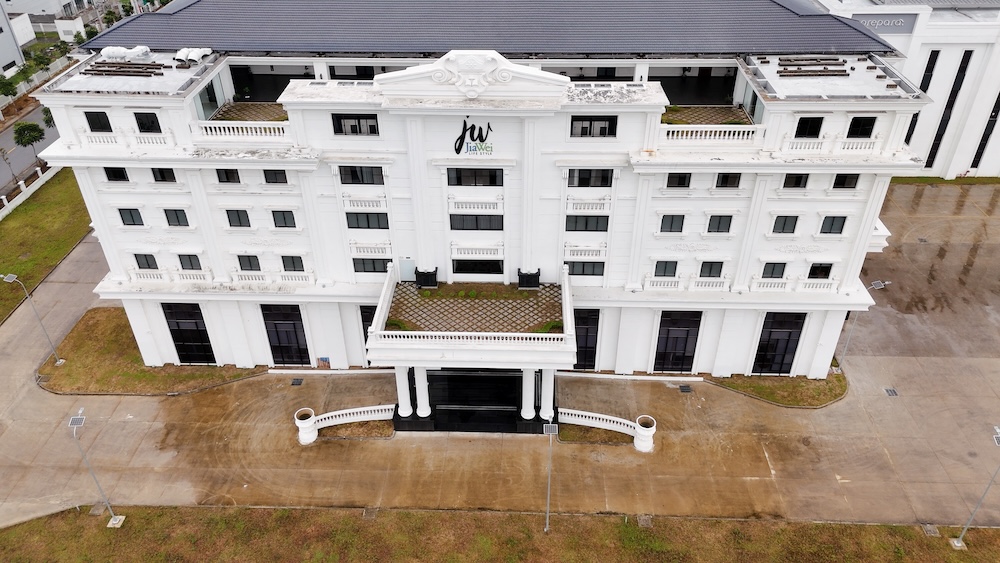
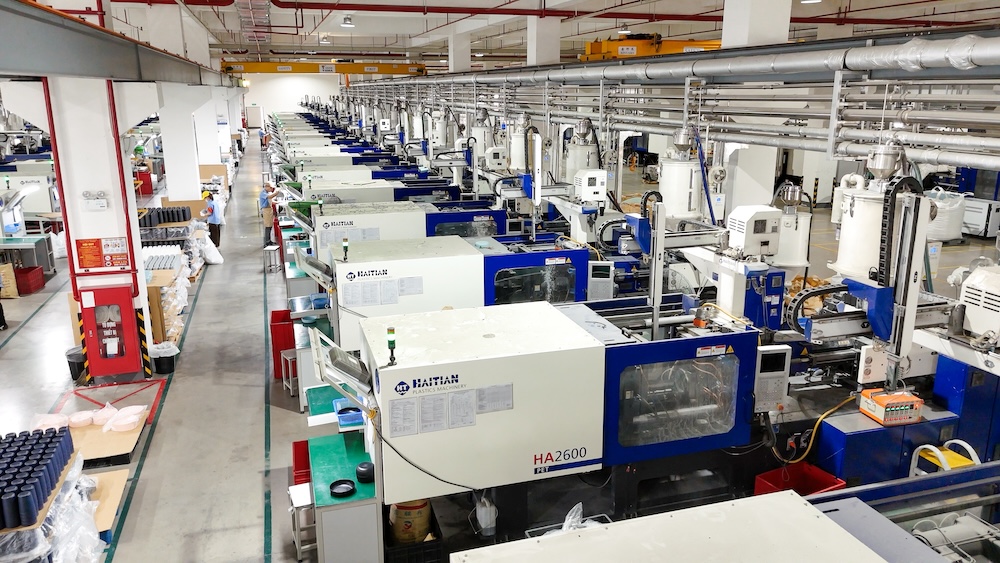
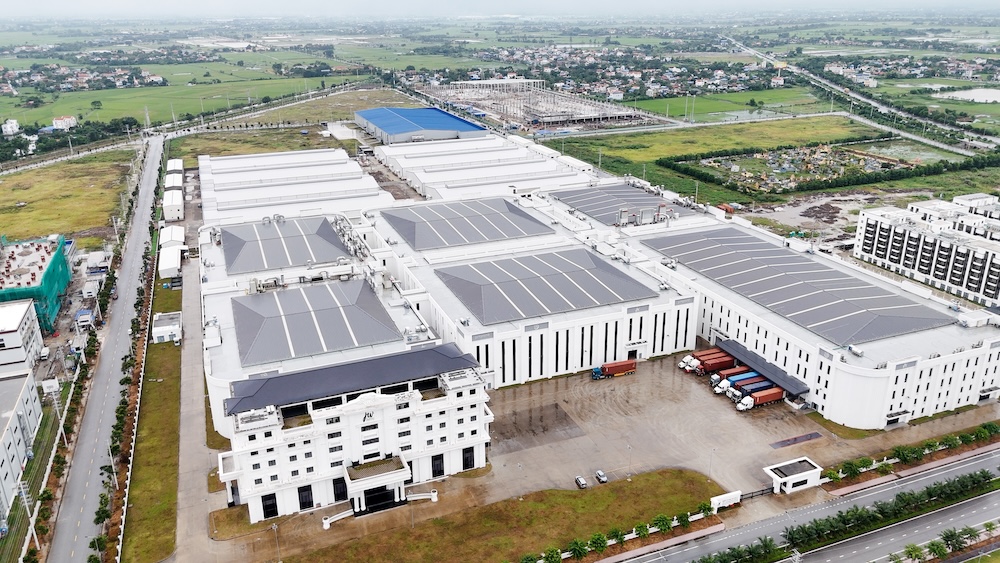
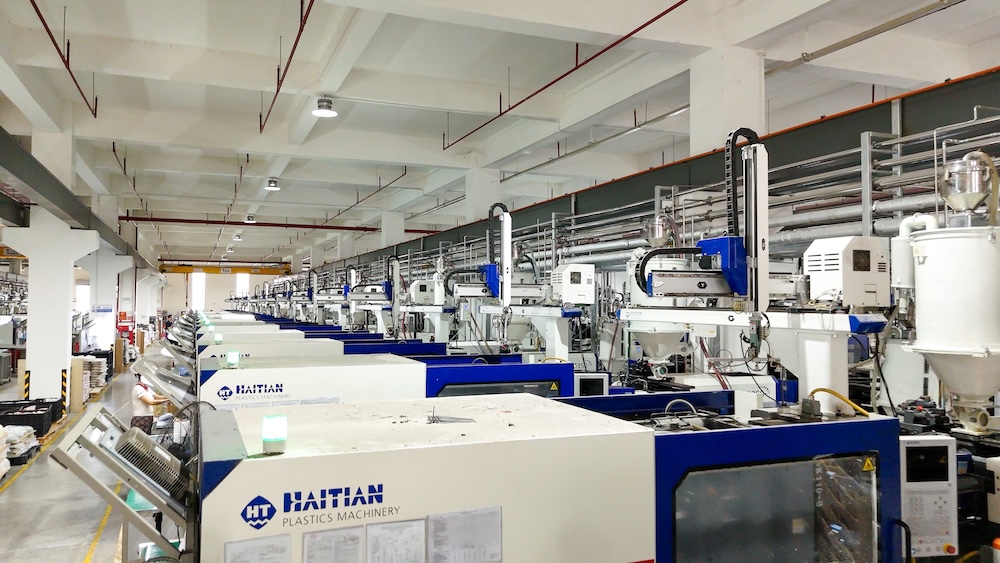
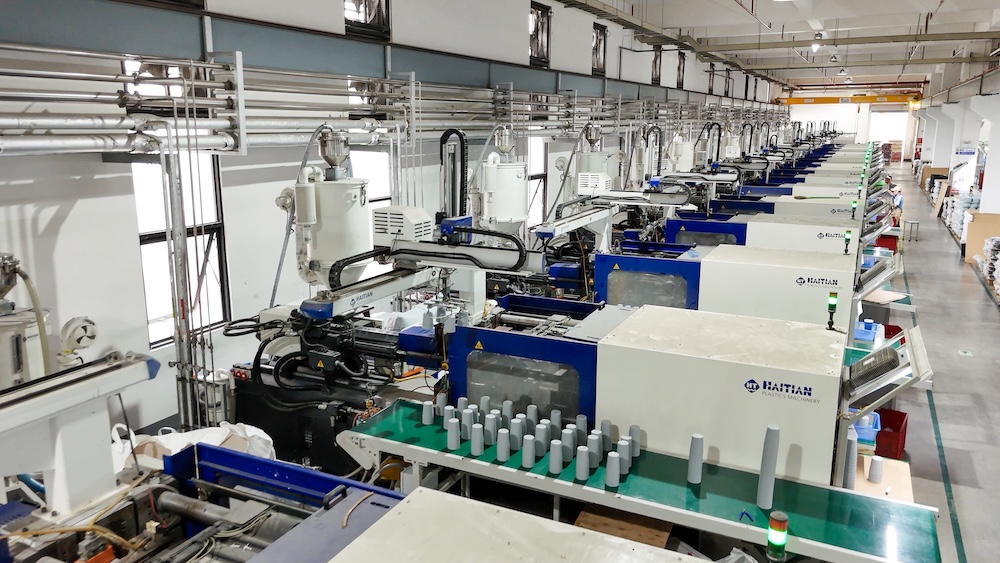
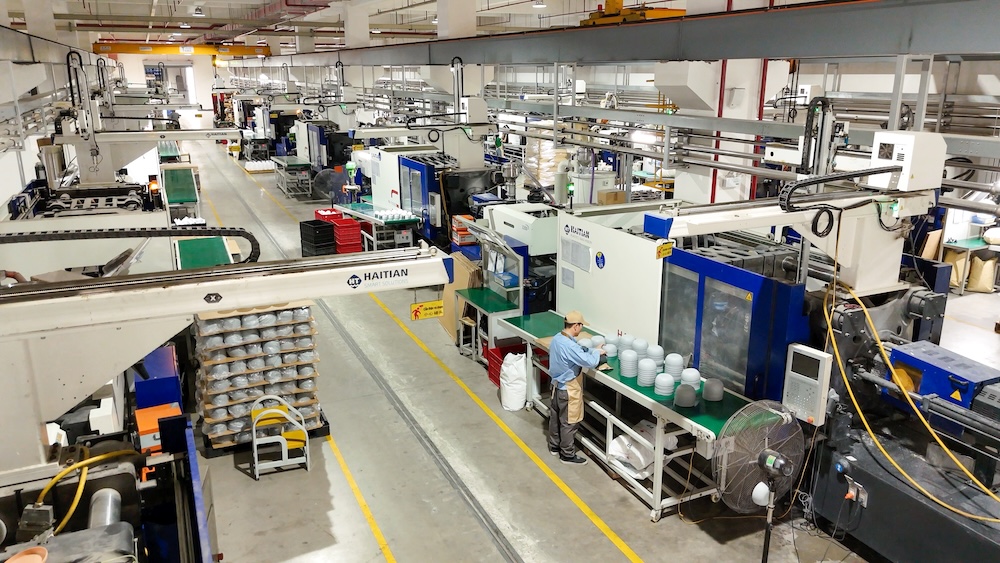
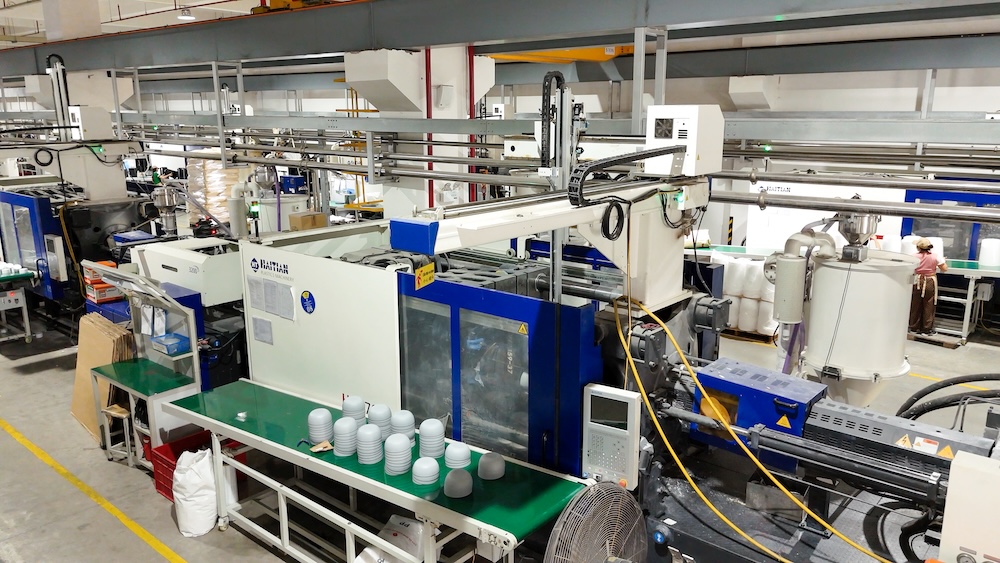
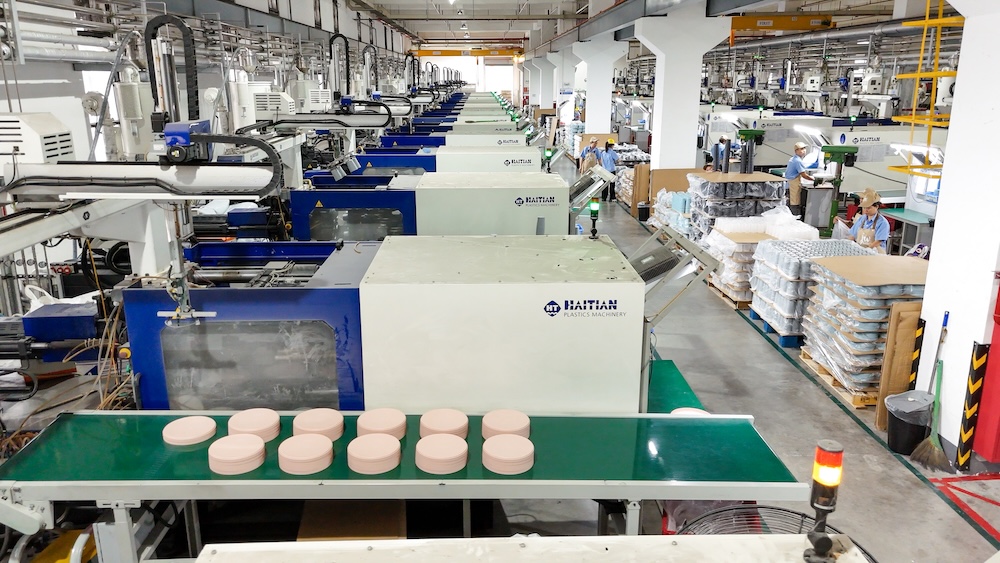
At Jia Wei Lifestyle’s new production base in Northern Vietnam, scale is visible before a single machine starts moving. The site covers almost 86,000 square meters, with around 150,000 square meters of constructed space. Mass production began in May 2025. Around 600 people work here, and 206 injection molding machines form the backbone of plastics processing.
The pace was remarkable. Planning began in 2023, construction started in 2024, and the first equipment was installed in April 2025. Trial runs followed almost immediately. By the end of that year, the factory had already shipped more than 2,000 containers for its first major customers.
Scale Changes the Rules
Jia Wei produces tableware, kitchenware and household products for international retailers – products that may look simple on the shelf but are manufactured under demanding industrial conditions. High volumes, changing designs, strict quality requirements and relentless cost pressure define the business.
The material side is changing just as quickly. Jia Wei’s use of recycled PET rose from 883 tons in 2020 to 4,450 tons in the first ten months of 2024. At these volumes, material shifts affect far more than the polymer itself. They influence process stability, material handling, equipment requirements and factory planning.
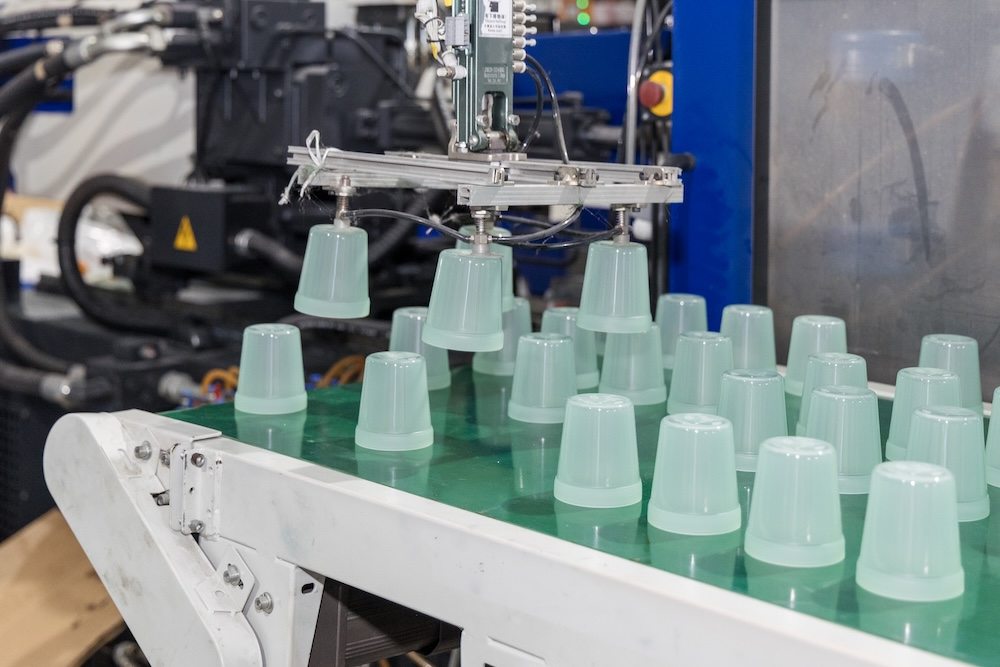
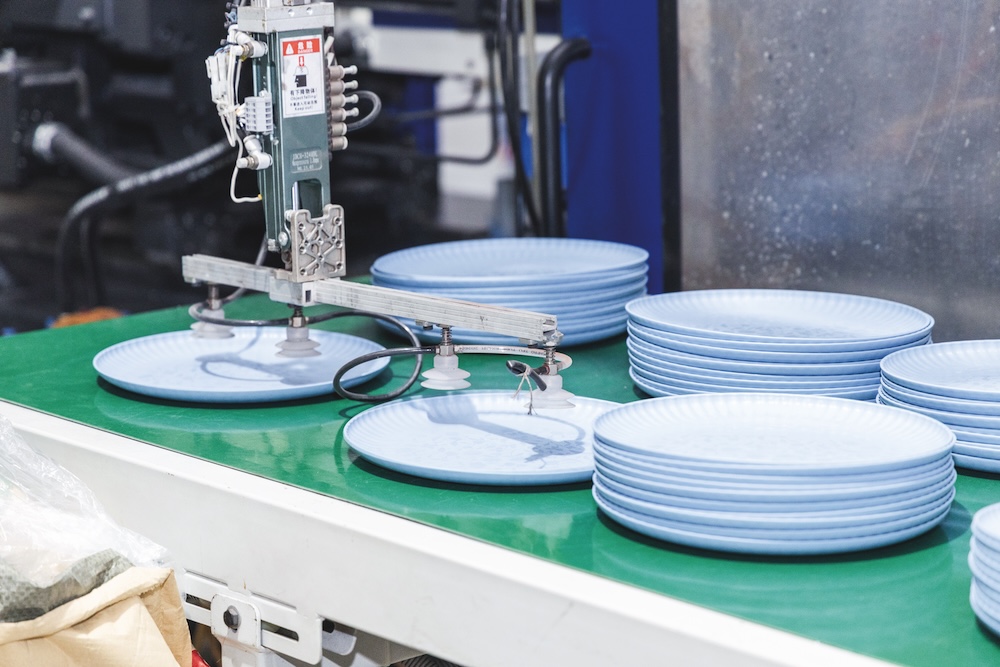
That planning logic is particularly visible in Vietnam. Drawing on experience from its Chinese factories, Jia Wei chose to design machines, peripherals and utilities as one coordinated production environment from the outset. Around 200 Haitian injection molding machines were planned together with robots, centralized material feeding, chilled water and cooling water systems.
More than Machine Supply
Haitian became involved while the production concept was still taking shape. From late 2024, both teams worked on equipment selection and customized solutions as well as workshop power, water and cooling infrastructure. The goal was not simply to install machines, but to reduce later retrofits and create a stable basis for high-volume production.
With more than 200 machines, every additional variation in controls, utilities, maintenance or process setup creates complexity. Standardization therefore becomes an economic and organizational decision. At the same time, dedicated applications still require dedicated equipment, including Haitian HA Series machines for PET processing.
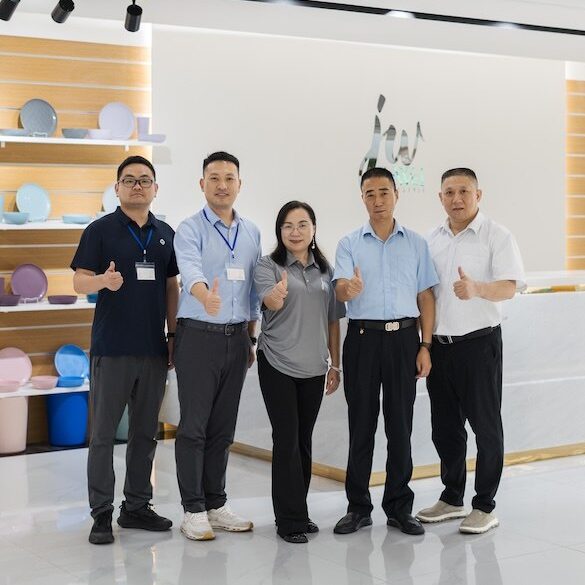
“For a factory of this scale, the key is not simply to install machines, but to plan equipment, utilities and automation as one system. This integrated approach helps us improve productivity, control operating costs and build a stable production base.”
Xianglan Wang, Factory Manager, Jia Wei Vietnam
From Installation to Output
The real test came during ramp-up. Equipment, processes and people had to reach production maturity at the same time. Jia Wei identifies workforce integration and technology integration as two of the central operational challenges – alongside the need to keep orders, manpower and machine utilization in balance.
For the local Haitian team, this meant working to an unusually compressed schedule. Roughly 200 machines were delivered and installed in two major batches, each aligned with the progress of the factory build. Installation, utility connection and commissioning had to follow the production plan closely enough for Jia Wei to meet its launch date.
A Second Production Base
Vietnam adds a new dimension to Jia Wei’s manufacturing network. The site complements the company’s established operations in China while responding to changing customer requirements, production-origin strategies and international market conditions.
For Jia Wei, the new factory is therefore more than a collection of machines. It is a manufacturing platform built for scale – and for a housewares market in which materials, costs and global production structures are evolving at the same time.