

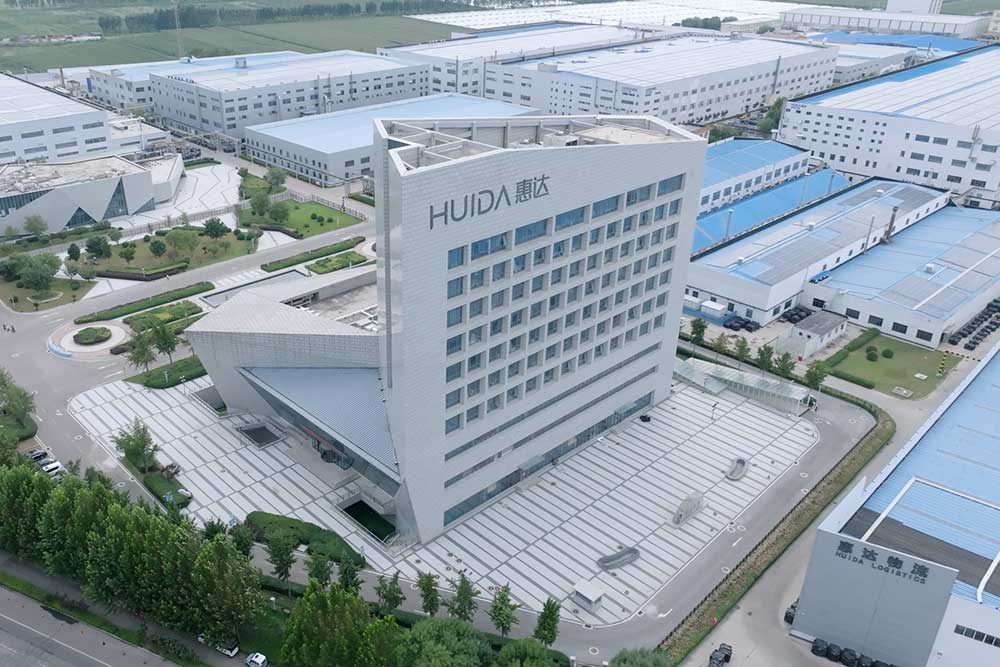
What goes into making a reliable toilet? Beyond the ceramic exterior, precision-molded components such as cistern fittings and dampers play an important role in everyday performance.
Huida Sanitary Ware has spent over 40 years perfecting these details, with Haitian supporting its manufacturing journey for the past 23 years.
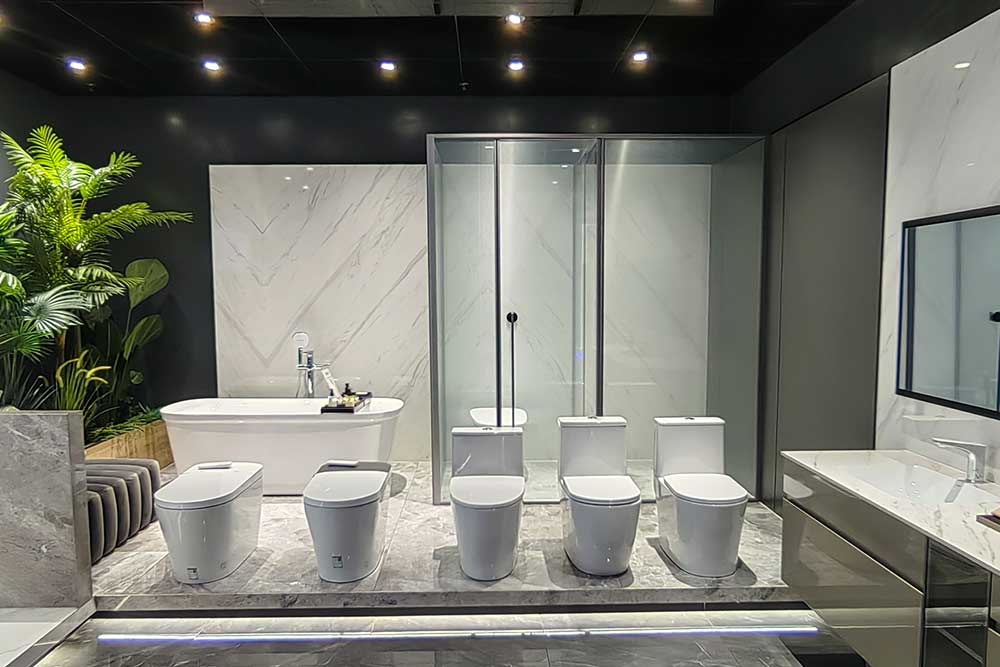
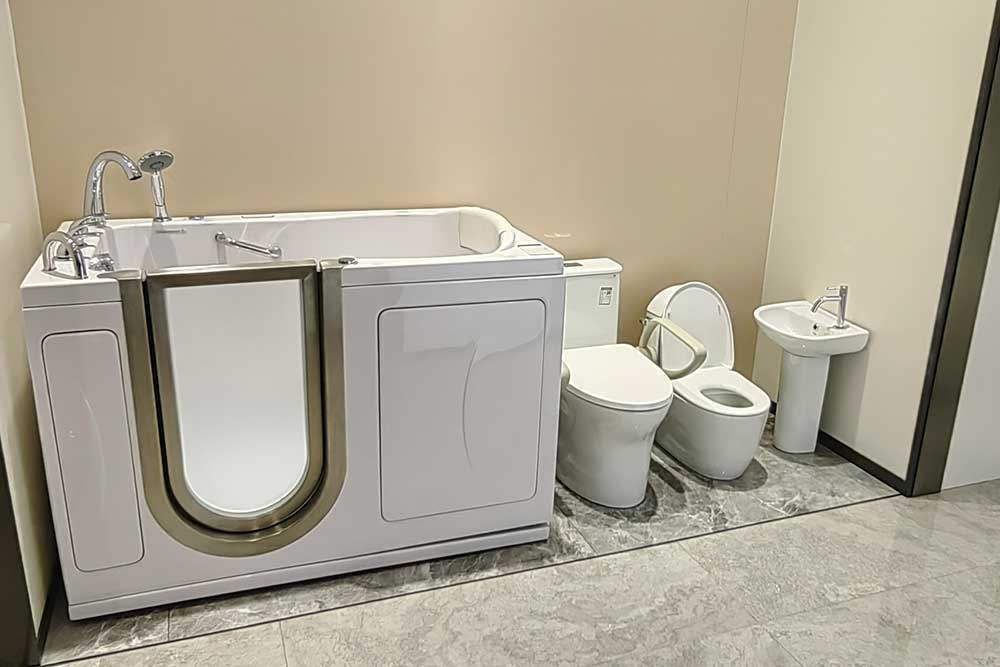
Founded in Tangshan, China, in 1982, Huida has grown from a sanitary ceramics manufacturer into a global supplier of sanitary ware. As its products evolve, so do the demands on manufacturing quality and precision.
Huida also produces its own plastic components for cisterns, toilet seats, and smart toilets. “Consistency is critical,” says Mr. Sun, manager of Huida’s plastics plant.
Toilet seat dampers are a good example. Consistency across multi-cavity molds is essential to reliable performance.
Previously, Huida used 11 hydraulic injection molding machines for damper production, with yields of around 60–70%. After introducing Zhafir electric machines, part consistency improved significantly. According to Huida, yields now approach 100%, with approximately five electric machines handling the workload of the previous 11.
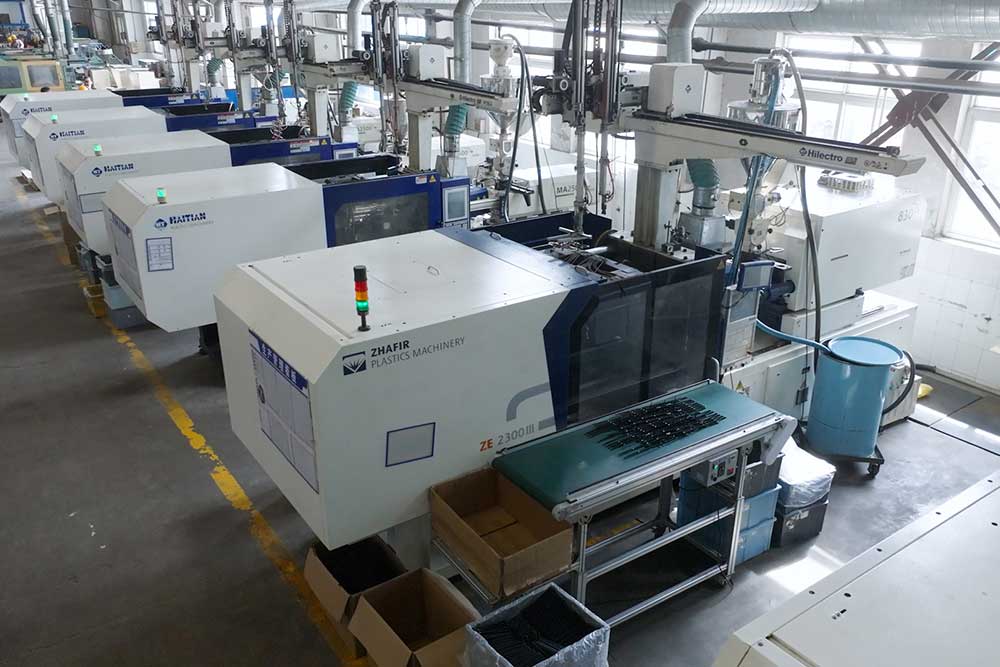
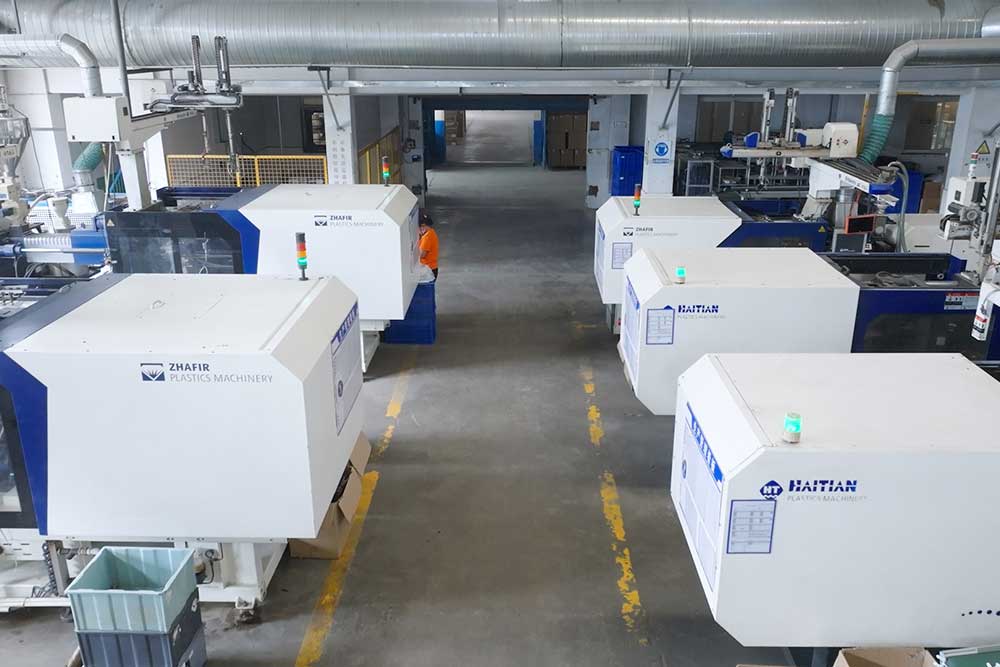
As smart sanitary ware becomes more sophisticated, Huida continues to refine its molding processes to meet higher quality standards.
Inside Huida’s factory, two veteran Haitian HTF780T machines installed in 2003 remains in daily operation, telling the story of long-term partnership. To keep pace with rising production needs, Huida expanded its fleet with 14 additional hydraulic machines in 2017, followed by 14 Zhafir all-electric machines starting in 2018.
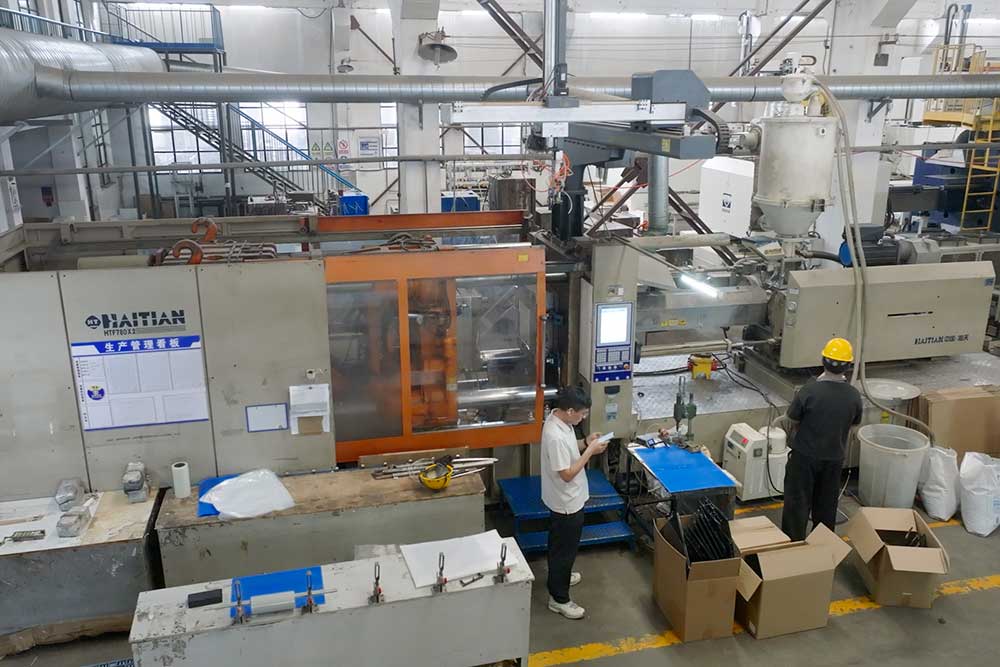
Equipment upgrades have transformed daily operations. “We used to run one machine per operator; now, one operator oversees four or five,” Mr. Sun explains. Advanced automation and robotic arms have streamlined efficiency, with many parts emerging clean and trim-free straight from the mold.
Today, real-time machine telemetry via the Haitian Go factory MES platform gives operators complete shop-floor visibility.
In 2023, Huida made an unexpected move: entering the artificial press-on nail market.
While the products are very different, both rely heavily on custom tooling and precision injection molding. However, the process parameters differ significantly. Press-on nail tips production requires an ultra-fast injection time of just 0.18–0.2 seconds and a 7-second total cycle time—putting machine response speed, mold design, and operational stability to the ultimate test.
Drawing on its tooling expertise and hands-on experience with Zhafir electric machines, Huida successfully mastered the process. It was proof that Huida’s precision manufacturing capability could scale into entirely new industries.
“For us, Haitian is about much more than simply selling machines,” says Mr. Sun. “
The partnership extends well beyond equipment purchases. Huida brings molds to Haitian for trials, works closely with Haitian engineers to resolve processing challenges, and sends its technical staff for hands-on training.
For Huida, dependable equipment and responsive technical support go hand in hand. Looking ahead, the company hopes to collaborate further with Haitian on automation, AI-assisted machine setup, and machine vision inspection.
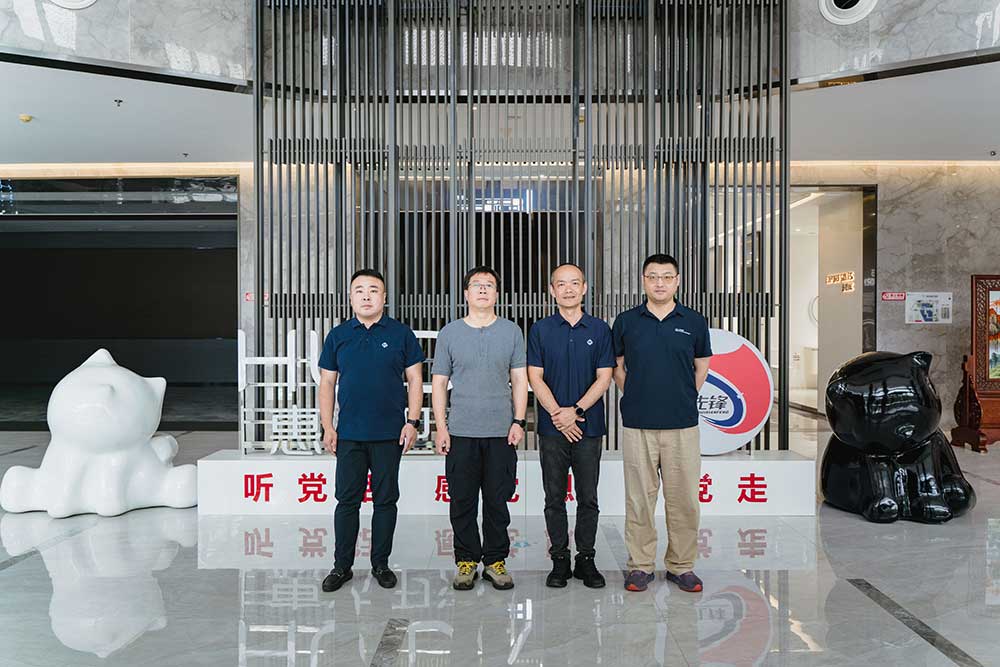
Through 23 years of product updates and manufacturing breakthroughs, Huida and Haitian have built something deeper than a vendor contract. For both teams, excellence isn’t a marketing slogan—it’s a daily practice worth investing in for the long haul.